In a crowded retail environment, your packaging is often the very first physical touchpoint a customer has with your brand. It is much more than just a protective container for your product—it functions as a silent salesman, a storyteller, and a powerful marketing asset.
Moving away from plain, generic brown boxes to custom-designed packaging can completely transform your retail business. Here is a deep dive into why custom branding matters for retail packaging and how it drives long-term success.
1. First Impressions and Shelving Standout
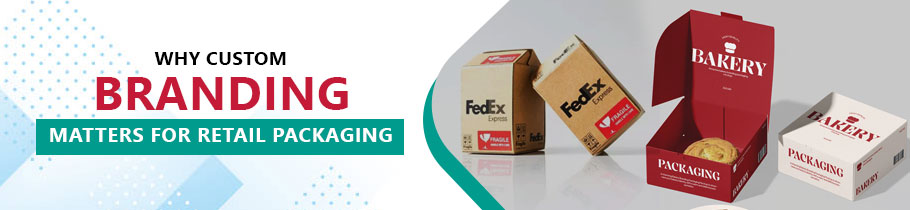
Walk down any retail aisle, and you are confronted with a wall of competing choices. Generic packaging blends into the background, whereas custom branding allows your product to pop. By utilizing strategic typography, brand-specific color palettes, and unique finishes (like embossing or spot UV), you instantly grab the consumer’s eye. You only have a few split seconds to capture a shopper’s attention; custom packaging ensures you make those seconds count.
2. Elevating the “Unboxing Experience”
With the massive rise of e-commerce and social media culture, the unboxing experience has become a vital marketing channel. Consumers love sharing visually satisfying moments online. When a customer opens a custom box that features interior printing, branded tissue paper, or a custom sticker seal, it feels like opening a high-end gift.
The Social Ripple Effect: A beautifully packaged item drastically increases the likelihood of organic user-generated content (UGC). Customers film “unboxing videos” for TikTok, Instagram, and YouTube, providing your brand with free, authentic publicity to thousands of potential buyers.
3. Justifying Premium Pricing
Why can luxury brands charge a massive premium for items that cost similarly to manufacture as mid-tier alternatives? A massive part of that equation is perceived value. Packaging heavily dictates how valuable a product feels.
If a high-quality product is packed inside a cheap, flimsy plastic bag, consumers subconsciously drop its worth. Conversely, housing an item inside a rigid, perfectly engineered custom box with custom brand motifs commands a higher price tag. The packaging tells the customer: “This product is high-quality, and it is worth the investment.”
4. Building Brand Identity and Recognition
Consistent branding across all touchpoints builds long-term customer familiarity. Your retail packaging should seamlessly match your website design, social media aesthetics, and corporate logo.
When your color schemes, fonts, and brand messaging are uniformly applied to your boxes, bags, or sleeves, it cements your business identity in the consumer’s mind. Over time, this repetition creates instant brand recognition—shoppers will be able to spot your product from across the room simply by the shape and color of its packaging.
Key Packaging Elements to Customize
If you are looking to transition to custom retail packaging, consider optimizing these core elements to maximize impact:
| Packaging Asset | Marketing Purpose | Customization Options |
|---|---|---|
| Outer Box / Sleeve | First point of physical contact, shelf visibility | Full-color printing, custom die-cut windows, matte/gloss finishes |
| Interior Printing | Delights the customer during unboxing, adds space for brand stories | Hidden quotes, social media handles, vibrant contrast colors |
| Tissue Paper & Inserts | Protects items while adding a premium, layered texture | Repeated logo patterns, custom thank-you notes, QR codes |
| Stickers & Seals | Secures the package while adding a final touch of craftsmanship | Branded foil seals, custom-shaped labels, high-tack paper stickers |
Conclusion
Investing in custom branded packaging isn’t a surface-level luxury—it is a core business strategy. It bridges the gap between digital marketing and tangible reality, turning a routine purchase into an unforgettable brand milestone. By focusing on your retail presentation, you protect your product while simultaneously building consumer trust, loyalty, and unmatched market presence.