Deepening the Debate: Choosing the Right Printing Press Methodology
In our initial exploration of commercial production, we established the fundamental mechanical differences between digital and traditional print setups. We learned that while digital production operates much like a highly advanced office inkjet or laser system—fusing toner or liquid ink directly onto paper in a single pass—traditional manufacturing relies on a physical, multi-layered ink transfer process. However, as production demands accelerate and corporate marketing budgets face tighter scrutiny, deciding which method to deploy requires a deeper look into the operational economics, color science, and tactile capabilities of each system.
Selecting the wrong production track can quietly drain your marketing capital or compromise your visual assets. A business must balance fast turnarounds against long-term cost efficiencies, and absolute color precision against variable data flexibility. In this comprehensive Part II breakdown, we dig deeper into the technical frameworks of both systems, helping you determine exactly which press methodology aligns with your volume targets, color requirements, and long-term brand-building objectives.
1. Volume Economics and the Reality of the Setup Cost
The most defining factor when choosing between digital and traditional commercial production is the size of your print run. The financial structures of these two systems are completely opposite, meaning a volume that is highly profitable on one machine could be financially disastrous on the other.
Traditional manufacturing requires a significant upfront investment of time and material capital. Before a single page can be printed, a master technician must chemically etch your digital designs onto custom aluminum plate sets, mount those plates onto massive internal cylinders, and run hundreds of test sheets to balance the liquid ink flow perfectly. This extensive setup creates a high fixed cost. However, once this initial stage is complete, the machine runs at blazing speeds with incredibly cheap raw ink, causing your per-unit cost to plummet drastically as your order volume scales into the thousands.
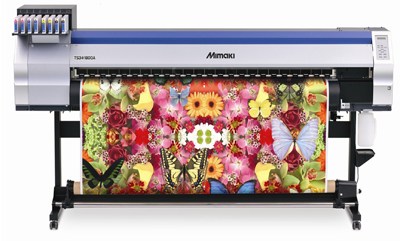
Digital production features zero setup friction. Your digital PDF file goes straight to the machine, meaning your very first print costs the exact same to produce as your five-hundredth print. This makes digital systems the undisputed champion for short-run projects, rapid prototyping, and emergency business demands where you need items printed immediately without a heavy initial financial commitment.
2. Mastering High-Volume Efficiency with Traditional Press Assets
When your brand expands to a level where you are launching national marketing campaigns, mass-mailing local communities, or supplying hundreds of retail locations with product boxes, digital printing quickly hits a wall of operational inefficiency.
For high-volume corporate catalogs, thick instruction manuals, and mass-market informational booklets, relying on traditional Offset Printing is an absolute economic requirement. Because these massive mechanical presses are engineered to process large rolls or sheets of paper at staggering speeds, they deliver unmatched per-unit savings that digital machines simply cannot match over long runs. Utilizing this traditional track ensures your corporate budget remains optimized, allowing you to maximize your physical reach without driving up your marketing overhead.
3. Color Science: Pantone Matching vs. Four-Color CMYK Simulation
For any serious business, brand color consistency is completely non-negotiable. If your corporate logo features a highly specific shade of corporate blue or vibrant red, that exact color must render identically across your office stationery, outdoor banners, and product boxes, regardless of where or when they are manufactured.
This absolute color precision is where traditional printing excels, thanks to its ability to utilize the Pantone Matching System (PMS) and pre-mixed custom spot inks. If your brand guidelines specify a precise Pantone ink number, the press team loads that exact pre-mixed liquid color directly into a dedicated ink well on the machine, guaranteeing an absolute, perfect match every single time. Digital presses, by contrast, must simulate all colors on the fly by blending four standard toner colors: Cyan, Magenta, Yellow, and Black (CMYK). While modern digital presses simulate colors with impressive accuracy, they can occasionally struggle with ultra-bright neon tones, deep metallic finishes, or subtle pastel gradients.
4. The Variable Data Revolution and Custom Marketing
While traditional printing dominates long-run economics and absolute color blending, it has one major limitation: every single sheet that flies off the mechanical plates must be completely identical. If you need to change a single sentence, a name, or an address on a document, you have to stop the press, scrap the metal plates, and manufacture an entirely new set.
This static limitation is where digital systems change the game through a process known as Variable Data Printing (VDP). Because digital presses treat every page as an individual digital file, they can communicate directly with your corporate marketing databases. This allows the press to swap out names, custom discount codes, personalized images, or localized physical addresses on every single flyer, postcard, or catalog as it prints, without slowing down the machine. This dynamic flexibility lets businesses execute highly targeted, personalized direct-mail marketing campaigns that generate significantly higher engagement and conversion rates.
5. Substrate Flexibility and Thick Paper Limitations
Your marketing materials must do more than look good; they must feel premium. The physical weight and texture of your paper stock tell a major story about your brand quality before a customer reads a single line of text. However, different presses accept different physical materials.
Traditional presses utilize a flexible offset rubber blanket to transfer ink smoothly onto paper, allowing them to print effortlessly on a massive variety of substrates. Whether you want to print on ultra-heavy cardstock, textured linen sheets, metallic plastics, organic kraft wood fibers, or delicate parchment papers, a traditional press handles it beautifully. Digital presses are more restrictive; because paper must snake through tight internal rollers and pass under intense thermal fusing elements, choosing papers that are too thick, heavily textured, or heat-sensitive can lead to paper jams or uneven toner adhesion.
6. Securing Executive Craftsmanship with a Top-Tier Partner
Whether you conclude that digital or traditional production fits your current campaign framework, your ultimate success rests entirely on the operational standards of the manufacturing facility you select. Printing is a highly technical discipline that blends engineering precision with color artistry.
Partnering with an experienced, premier Printing Press ensures your digital layouts are carefully analyzed by a professional pre-press team before production begins. A world-class press partner provides expert guidance on file configurations, paper weights, and finishing compatibility. This meticulous attention to detail ensures that your final corporate media pieces look exceptionally sharp, polished, and expensive, perfectly mirroring your brand’s elite professional status.
Supporting Modern Workspaces with Cohesive Print Media
The strategic intelligence you apply to choosing your commercial printing systems should flow smoothly into every other department of your business. Your physical marketing collateral works hand-in-hand with your internal company culture, workplace design, and external promotional initiatives.
For instance, the structured organization of a multi-page corporate layout plays a vital role when expanding your market footprint. Reviewing the Top 7 Benefits of brochures highlights how folded booklets give your sales team the perfect informational space to educate high-value prospects and secure long-term contracts. For massive community events, trade shows, or casual promotional giveaways, deploying custom corporate clothing via high-grade t-shirt printing transforms your team and client base into an active network of visible brand ambassadors.
To lock in a memorable first impression during rapid, face-to-face executive networking mixers, pairing your larger booklets with a premium personal asset is critical. Handing over an ultra-premium, heavy-stock Business Card provides a vital tactile connection that turns an initial handshake into a permanent business partnership.
Optimizing Office Layouts and Tracking Future Horizons
The permanent corporate environments where your design concepts, marketing strategies, and production schedules are forged carry immense architectural weight. Just as a commercial print layout requires clear borders to avoid errors, your office headquarters requires an optimized layout to maximize team creativity. Studying the functional variations of structural designs and examining the diverse types of office wall partitions allows businesses to build an open corporate layout that perfectly balances dynamic collaboration zones with quiet, private meeting spaces.
When your company moves from its main office to dominate a national industry convention or trade show, your large-format signage must scale seamlessly. Mastering the setup of an impactful corporate exhibition ensures your presentation booths utilize a brilliant mix of large-scale graphics and strategic lighting to capture maximum foot traffic. To ensure your brand details rest right before your clients’ eyes all year long, gifting useful physical items like custom desk calendars provides an exceptional daily utility that secures a continuous loop of ongoing corporate exposure.
Finally, keeping a firm grip on your market share means constantly tracking major industrial shifts in manufacturing technology. Staying informed about cutting-edge breakthroughs and monitoring the Future of Printing guarantees your brand is always prepared to adopt next-generation sustainable papers, interactive smart ink elements, and unique texturing styles that keep your brand steps ahead of your competition.
Conclusion: Balancing Precision, Volume, and Agility
Ultimately, neither digital nor traditional offset printing is universally better than the other; instead, they are complementary manufacturing tracks designed for entirely different business scenarios. Digital printing offers unmatched speed, minimal initial costs, and powerful variable data customization for shorter, hyper-targeted runs. Traditional offset printing remains the absolute king of high-volume efficiency, flawless color accuracy, and vast material flexibility. By analyzing your precise volume targets, branding requirements, and delivery timelines, you can deploy the ideal press methodology to optimize your production budget and drive long-term business growth.