Introduction
Digital printing has become a practical choice for modern packaging needs, especially for brands that want speed, flexibility, and customization. Today, businesses rely on providers like
Printing Press to handle everything from small batch packaging to large-scale commercial print runs. If you’re trying to understand how this process actually works in real business use, this guide Digital Printing for Packaging gives a clear breakdown of its role in modern printing.
What is Digital Printing for Packaging?
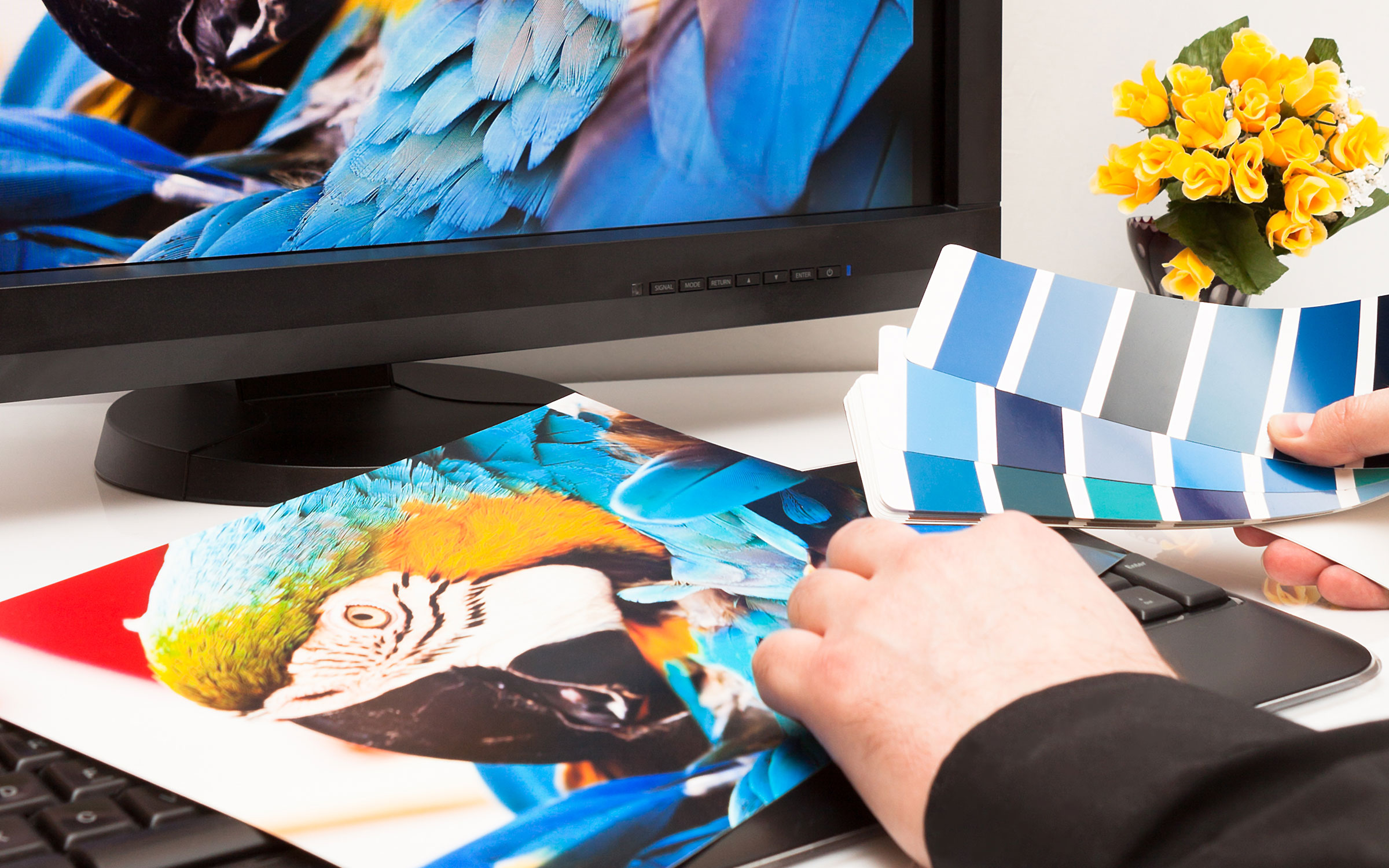
Digital printing is the direct transfer of digital designs onto packaging materials without the need for traditional printing plates. This makes the process faster and more adaptable for short runs and customized designs. Many businesses also explore benefits of Digital Printing to understand why it’s becoming the preferred choice over older methods. The biggest shift is how easily packaging can now be personalized for industries like food delivery, retail, and corporate branding.
Key Benefits of Digital Printing
Digital printing stands out because of its practical benefits in real production environments:
- It supports small quantity orders without high setup costs
- It reduces material waste and improves production efficiency
- It allows fast turnaround times for urgent projects
- It offers strong color flexibility for branding consistency
For businesses looking for reliable production quality, Digital Printing solutions are often preferred due to their consistency and scalability.
Cost Flexibility and Offset Printing Comparison
One of the biggest reasons businesses choose digital printing is cost efficiency for short runs. Unlike traditional methods, it doesn’t require plates or heavy setup work. At the same time, offset printing still plays a strong role in bulk production. If you want to explore that side, Offset Printing services are widely used for large-scale jobs. There are also clear reasons why many brands still consider offset, especially when reviewing Pros Offset Printing in terms of volume efficiency and long-run cost savings.
Digital Printing vs Offset Printing
Understanding both methods helps businesses choose the right approach based on demand. For a deeper technical breakdown, Digital vs Offset explains how both technologies perform in real production scenarios. Digital printing works best for flexibility and speed, while offset printing dominates when it comes to high-volume consistency and lower per-unit cost.
Why Businesses Still Choose Professional Printing Partners
Even with modern digital tools, professional expertise still matters. Print quality, color accuracy, and material compatibility depend heavily on the provider’s experience and equipment. That’s why businesses continue to rely on established printing services like Best Printing Press in Dubai for both digital and offset requirements.
Final Insight
Digital printing has reshaped packaging by making it faster, more flexible, and easier to customize. At the same time, offset printing still holds value for large-scale production. The right choice always depends on quantity, budget, and turnaround time.