Understanding the Real Difference Between Paperback and Hardcover Printing
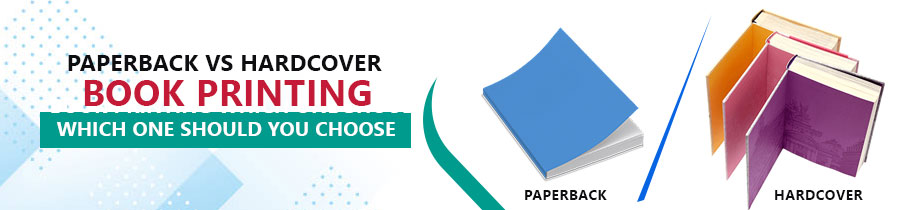
When you start planning a book printing project, the first decision usually comes down to paperback or hardcover. It sounds simple, but the choice affects cost, durability, reader experience, and even how your book is perceived in the market. Paperback books are flexible, lightweight, and budget-friendly. Hardcover books, on the other hand, feel premium and last longer. The right option depends on how you want your book to be used and distributed.
Before jumping into production, many publishers also study how presentation and packaging impact user perception. For example, strong visual appeal in presentation is often shaped by ideas from eye catching packaging, which directly influences how readers judge quality before even opening the book.
Cost Factors and Budget Planning
Cost is usually the biggest deciding factor. Paperback printing uses thinner covers and fewer finishing layers, which makes it cheaper for bulk printing. Hardcover books require board binding, lamination, and additional finishing steps, which increases the price but improves shelf life.
If you’re running campaigns or promotional print runs, it also helps to measure how well your print investment performs. Many businesses track engagement and conversions using systems inspired by track print ads, ensuring that printing budgets are justified with real data instead of guesswork.
Design, Printing Quality, and Production Methods
Modern book printing is heavily influenced by digital printing technology. It allows faster turnaround, consistent color quality, and cost-effective short runs. Paperback books often rely on this method for flexibility, while hardcover books may combine digital and offset techniques depending on volume.
For high-quality output, advanced setups like top digital printing help maintain sharp text clarity and clean image reproduction, especially important for illustrated or design-heavy books.
In large-scale production environments, printing infrastructure also plays a big role. Professional setups such as best printing press ensure consistency across thousands of copies without quality drops.
Marketing Value and Reader Experience
Beyond production, book format influences marketing strategy. Hardcover editions are often used for launches, collectors, or premium audiences, while paperbacks dominate mass-market distribution. The way your printed material is presented can also align with broader promotional strategies like in-store displays and signage systems.
Modern publishers even combine print with digital visibility tools such as digital signage business approaches to improve discoverability in retail and exhibition environments.
Why Print Still Matters in a Digital World
Even with eBooks and online publishing growing fast, printed books continue to hold strong value. Readers still prefer physical copies for collection, reading comfort, and credibility. Print remains a trust signal in many industries, especially education and publishing.
This long-term relevance is explained well in discussions like print remains essential, where physical print is shown to outperform digital in attention retention and brand recall.
Packaging, Presentation, and Brand Perception
Whether you choose paperback or hardcover, presentation matters. Cover design, finishing texture, and packaging directly influence how your book is perceived in stores and online listings. Strong visual identity can turn a simple book into a premium product.
That’s why publishers often explore creative design strategies similar to product packaging guide methods, where even small design decisions impact buyer psychology.
Office Production, Safety, and Workflow Considerations
In professional printing environments, workflow efficiency and safety standards also matter. Large print operations require proper handling procedures, especially when managing equipment, inks, and production schedules. Even office-level setups need awareness of operational safety and hygiene practices.
Guidelines similar to office safety tips highlight how structured processes reduce downtime and improve productivity in printing environments.
Choosing the Right Printing Partner
Your final output depends heavily on the printing partner you choose. A reliable printer ensures consistent quality, proper finishing, and on-time delivery. Whether you’re printing paperbacks in bulk or producing premium hardcover editions, expertise matters more than anything else.
Working with established providers like best printing press helps ensure your project meets professional standards from design to final binding.
Final Consideration Before You Decide
Paperback works best for affordability and mass distribution. Hardcover fits premium branding and long-term durability. The decision isn’t just about cost—it’s about purpose, audience, and how you want your book to live in the reader’s hands. With the right printing method, technology, and partner, both formats can deliver strong results.