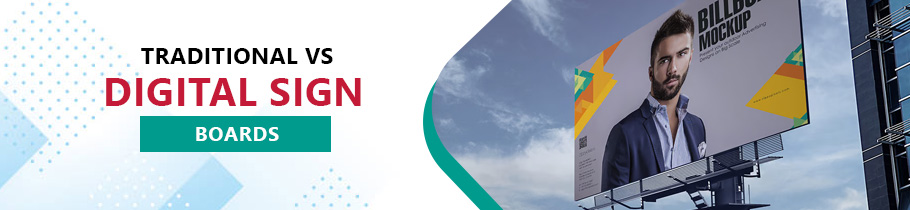
When it comes to physical marketing, your signage is the first thing a potential customer notices. It serves as a visual handshake, guiding people toward your entrance and setting the tone for your brand identity. In today’s modern market, business owners face a major decision: should they invest in classic traditional sign boards or upgrade to dynamic digital displays?
Both options offer distinct advantages depending on your location, budget, and business goals. Whether you are building a permanent retail storefront or preparing an immersive promotional stall with a premium Exhibitions Supplier, understanding the differences between these two mediums is key to maximizing your local visibility.
Evaluating the Two Heavyweights of Physical Advertising
1. Cost-Effectiveness and Reliability of Traditional Signs
Traditional signs—such as printed banners, acrylic letters, and lightboxes—remain the backbone of local advertising. Their biggest benefit is their cost structure: you pay once for production and installation, and the sign works for you 24/7 for years without any electricity bills, software glitches, or monthly content management fees.
To ensure a traditional sign looks premium and handles harsh outdoor weather conditions, picking the right printing method is vital. Utilizing professional Flex Printing allows businesses to create massive, crisp, and heavy-duty outdoor signs at a very affordable price point, making traditional signage highly reliable for startups.
2. The Moving Power of Mobile Branding
While digital screens are restricted to a single fixed wall, traditional branding methods can move seamlessly through the physical world. Fixed signs capture foot traffic, but mobile physical assets allow you to take your message directly to a wider community.
For instance, businesses often combine their stationary traditional signs with high-impact fleet graphics. Leveraging professional car branding solutions allows your corporate vehicles to function as mobile billboards, generating non-stop local exposure across busy transit routes for a fraction of the cost of digital screens.
3. Implementing Unified Brand Promotion Strategies
The debate shouldn’t always be about traditional versus digital; instead, the smartest businesses find ways to blend both worlds. Creating multiple touchpoints ensures your messaging is reinforced from different angles, building deep customer trust.
Integrating diverse and creative brand promotion tactics across your physical assets helps create a unified look. For example, a traditional sign can feature modern interactive elements that bridge the gap between your brick-and-mortar store and your online digital channels.
4. Adding Low-Cost, Flexible Signage Accents
Traditional signage doesn’t have to look massive or rigid to be effective. Small, highly flexible printed elements can be distributed rapidly to expand your visual footprint around local neighborhoods or corporate events.
Using vibrant, heavy-duty custom stickers is a classic, budget-friendly way to add branding to windows, equipment cases, or delivery boxes. These versatile assets allow small businesses to quickly update promotional details without spending money on expensive electronic signs.
5. Aligning with Modern Tech and Manufacturing Changes
The traditional signage field is far from old-fashioned. Modern physical production processes have evolved dramatically, offering hyper-customized, complex structural shapes that look incredibly sleek and futuristic without needing digital pixels.
This shift mirrors rapid advancements across other manufacturing sectors. For instance, keeping an eye on how the 3D printing field is growing highlights how digital design is making the creation of custom, 3D physical signs faster, cheaper, and more intricate than ever before.
6. The Psychology of Visual Packaging and Presentation
Whether a sign is traditional or digital, its layout must connect emotionally with the viewer. A messy layout or poor finish will instantly push potential customers away. Your visual presentation acts exactly like your product’s outer package.
Extensive studies on packaging effects show that clean structural choices and premium tactile textures directly increase consumer trust. Applying this logic to your signs, or using dedicated retail packaging design principles for your storefront, guarantees a highly professional presentation that pulls people in.
To take your brand’s physical presentation to an elite level for corporate offices or high-end displays, focus on fine details. Just as masterfully executed gift box wrapping makes a physical package feel incredibly premium, a meticulously finished traditional sign board adds a sophisticated human touch that electronic screens simply cannot replicate.