The Role of Digital Printing in Modern Print Production
Digital printing has reshaped how printing work is planned, produced, and delivered. Instead of relying on plates, lengthy setup cycles, and fixed templates, it allows direct printing from digital files like PDFs and images. This makes production faster, more flexible, and far more suitable for today’s demand-driven marketing environment.
One of the most important foundations of understanding this shift is knowing basic print concepts. If you explore Printing Terminology, it becomes easier to understand how digital workflows differ from traditional offset systems and why this transition matters for businesses today.
How Digital Printing Actually Works
At its core, digital printing takes a digital file and converts it into a printable format using binary data. This means the machine reads the file directly and reproduces it on the chosen surface without needing physical plates or manual setup.
This process eliminates multiple production steps that were common in older methods. Instead of transferring ink through plates and rollers, the printer interprets data instantly and applies ink or toner directly onto the material. The result is faster turnaround and more control over customization.
Another advantage is flexibility in material usage. Modern systems support paper, vinyl, fabric, plastic, and coated surfaces without major setup changes, making them suitable for both indoor and outdoor applications.
Main Types of Digital Printing Devices
Digital printing is not a single machine type. It includes different technologies designed for specific output requirements.
Inkjet printers are widely used for detailed color reproduction. They spray microscopic droplets of ink onto the surface to build images gradually. This makes them ideal for high-resolution graphics and photographic prints.
Laser printers, on the other hand, use electrostatic charge and toner. A laser beam creates a pattern on a drum, which attracts toner and transfers it onto paper. This method is faster and commonly used for office and commercial documents.
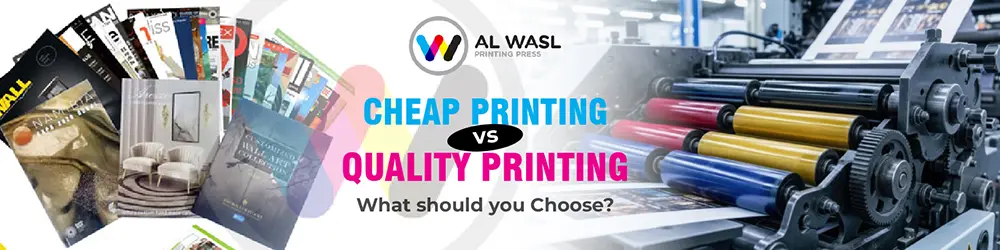
Digital press systems take the concept further by digitizing the entire traditional press workflow. These machines are designed for higher volumes while still maintaining the flexibility of digital input. They are often used in commercial environments where speed and consistency matter equally.
In industries like vehicle branding, precision and durability are essential. For example,Vehicle Branding explains how printed materials are transformed into long-lasting vehicle wraps that maintain color quality even under outdoor conditions.
On-Demand Printing and Its Practical Use
On-demand printing is one of the most widely used applications of digital printing. It allows businesses to produce only what they need, when they need it. This reduces waste, storage costs, and outdated inventory.
This model is especially useful for marketing materials such as brochures, flyers, and promotional sheets. Businesses running frequent campaigns benefit from the ability to update content quickly without large production delays.
In fast-moving marketing environments like Dubai, companies often rely on this model to support campaigns such as Flyer Printing, where timing and flexibility directly impact campaign success.
Variable Data Printing for Personalization
Variable data printing (VDP) is one of the most powerful features of digital printing. It allows each printed piece to be customized with unique elements such as names, addresses, or purchase history while keeping the main design consistent.
This is commonly used in personalized marketing campaigns. Instead of sending identical messages to every customer, businesses can tailor communication for better engagement. The design remains the same, but the content changes dynamically based on data inputs.
This technique is widely used in customer-focused industries where personalization improves response rates and brand connection. It is especially effective for direct mail campaigns, loyalty programs, and targeted advertisements.
Web-to-Print Systems and Online Control
Web-to-print platforms take digital printing one step further by allowing users to design and order print materials through an online interface. These systems are widely used by franchises, corporate brands, and marketing teams that need consistency across multiple locations.
Users can upload designs, edit templates, and place orders without manual intervention from the printing team. This reduces communication gaps and speeds up production cycles significantly.
These systems are also useful for managing branding assets like signage and display materials. A strong example of this application can be seen in Signage Advertising, where consistent design execution across multiple locations plays a major role in brand visibility.
Commercial Use and Industry Applications
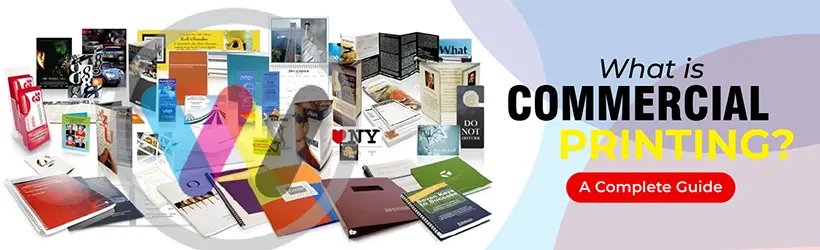
Digital printing is now widely used across industries including retail, real estate, events, hospitality, and corporate branding. Its ability to produce high-quality output quickly makes it suitable for both short-run and large-scale projects.
Businesses often combine digital printing with other production methods depending on volume and cost efficiency. While offset printing remains relevant for bulk production, digital printing dominates when speed and customization are priorities.
Many professional printing providers offer both solutions under one roof. For example, Printing Press represents how modern printing companies integrate multiple technologies to serve different client requirements efficiently.
Where Offset Printing Still Matters
Despite the rise of digital systems, offset printing still plays an important role in high-volume production. It is cost-effective when printing thousands of identical copies and delivers excellent consistency for large runs.
However, it lacks flexibility when changes are needed. This is where digital printing clearly stands out. To understand this comparison better, Offset Printing Press Services in Dubai Explained provides insight into how traditional printing still supports large-scale commercial needs alongside modern digital solutions.
The Future of Digital Printing
Digital printing continues to evolve with improvements in speed, resolution, and material compatibility. New technologies are making it possible to print on more complex surfaces while maintaining color accuracy and durability.
Automation and AI-driven workflows are also shaping the future of this industry. From file processing to color correction, systems are becoming more intelligent and less dependent on manual intervention.
What this really means is simple: printing is becoming faster, more precise, and more accessible. Businesses no longer need large print runs or long waiting periods. Instead, they can produce exactly what they need with better control and lower waste.