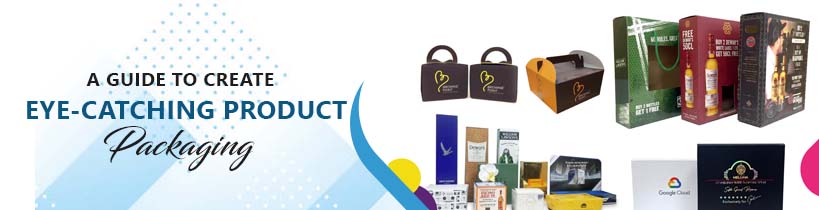
The Power of First Impressions in Product Packaging
In today’s hyper-competitive retail landscape, a product no longer sits quietly on a shelf waiting to be discovered. It competes with dozens of alternative brands, all vying for the exact same consumer dollar. Because shoppers make their initial purchasing judgments within a matter of seconds, your product packaging serves as your ultimate silent salesman. It is the immediate visual and tactile touchpoint that can either stop a consumer in their tracks or cause them to glide right past your brand.
Creating eye-catching product packaging requires a delicate balance of artistic creativity, structural engineering, and strategic marketing. Exceptional packaging does more than just shield your product from damage; it communicates your brand’s core values, tells a compelling story, and creates a memorable unboxing experience that transforms one-time buyers into passionate brand advocates. Below is a comprehensive guide to mastering the art of packaging design, optimizing your production pipelines, and ensuring your brand commands attention both on physical shelves and across digital marketplaces.
1. Defining Your Core Audience and Brand Persona
Before you draw a single line of your packaging design or select a color palette, you must completely understand who you are designing for. A packaging layout that appeals to eco-conscious Gen Z consumers will look vastly different from one tailored to high-end luxury shoppers or busy corporate professionals.
Your packaging must act as a direct reflection of your brand persona. If your brand stands for minimalism and clean living, your packaging should lean toward muted earth tones, ample negative space, and simple geometry. If your brand is high-energy and playful, vibrant contrasting colors and bold typography will serve you better. Aligning your outer design with your target demographic’s aesthetic expectations creates an immediate emotional connection that drives sales.
2. Mastering Typography and the Hierarchy of Information
When a consumer glances at your product packaging, their eyes should naturally follow a structured path of information. The most critical details—such as your brand name, product variant, and primary benefit—must be instantly legible from a reasonable distance. This is achieved through a deliberate typographic hierarchy.
Avoid the temptation to clutter your packaging with excessive walls of text, complex technical data, or too many competing fonts. Stick to two or three complementary typefaces at most. Use bold fonts for your primary headers to capture attention, and lighter, clean sans-serif fonts for secondary information like ingredient lists or usage instructions, ensuring a clean and professional look.
3. Selecting the Right Structural Shapes and Materials
An eye-catching design is only as good as the physical structure it lives on. While standard square and rectangular boxes are cost-effective and easy to stack, experimenting with unique die-cut windows, custom geometric shapes, or structural closing mechanisms can make your product stand out beautifully on a crowded shelf.
Furthermore, the physical materials you choose tell a massive story about your brand. Opting for thick, organic kraft paper signals an authentic, eco-friendly commitment. Conversely, using ultra-smooth, heavy-weight rigid boxes conveys a sense of high-end luxury. The shape and structure must also remain highly functional, protecting the product inside while remaining effortless for the end consumer to open and use.
4. Elevating the Unboxing Experience with Tactile Premium Finishes
The consumer journey does not end when someone purchases your product; the true magic happens during the unboxing process. Transforming a routine unboxing into a premium, memorable ritual is an exceptional way to build lasting brand loyalty and encourage organic social media shares.
To achieve this premium feel, incorporating high-end tactile finishes onto your packaging surfaces is paramount. Working closely with an experienced, top-tier Printing Press allows you to integrate specialized techniques like foil stamping, soft-touch matte lamination, and selective spot UV coatings. These finishes catch the retail light beautifully and provide a rich sensory feeling that elevates the perceived value of your product the moment it is held.
5. Maintaining Design Consistency Across Your Full Product Line
If your business offers a diverse catalog of items, flavors, or sizes, your product packaging must feature a unified design system. While each individual product variant should have a unique identifier—such as a specific color band or custom illustration—the overall layout, logo placement, and typography must remain completely consistent.
This design consistency creates a powerful block effect on retail shelves, allowing consumers to instantly recognize your brand family from across the store. It builds cumulative brand equity; once a customer tries and loves one of your products, they can effortlessly spot your other offerings, paving a smooth path for cross-purchasing and long-term brand scaling.
6. Designing for Digital E-Commerce Visibility
In the modern retail environment, your packaging must perform double duty: it needs to look fantastic on a physical shelf, and it must look equally compelling as a small thumbnail image on an e-commerce platform. Complex, tiny details that look great up close can easily get lost when viewed on a mobile screen.
Ensure your packaging features high-contrast graphics, clear branding, and a distinct silhouette that stands out against clean white digital backgrounds. When your packaging looks striking online, it increases your click-through rates, reduces cart abandonment, and guarantees that when the package arrives at the customer’s doorstep, it delivers the exact same premium visual thrill promised on their screens.
7. Utilizing High-Volume Manufacturing Processes for Flawless Output
Once your packaging design is finalized, choosing the right production methodology is critical to ensuring your vision translates perfectly to the final product. Packaging requires absolute consistency across thousands of units, with zero tolerance for color shifting or blurry graphics.
For large-scale product launches, commercial boxes, and custom inserts, utilizing traditional Offset Printing is the industry benchmark. This process guarantees flawless color matching, crisp lines, and the highest possible graphic clarity across massive production runs, ensuring your packaging looks impeccably professional and expensive without driving up your unit costs.
Integrating Strategic Print Collateral for Maximum Impact
Great packaging gets a product into a consumer’s hands, but what you place around and inside that package can seal a lifelong relationship. Savvy brands treat the interior of their packaging as prime marketing real estate, adding targeted print items that guide the consumer’s next step.
For example, sliding a well-designed, multi-page booklet inside your box can guide consumers on how to get the most out of their purchase. Looking over the Top 7 Benefits of this format demonstrates how custom brochures can detail your brand story, highlight complementary products, or offer exclusive recipe ideas. For high-volume product promotions, corporate events, or lifestyle brand building, distributing custom apparel via high-quality t-shirt printing transforms your customer base into a loyal community of walking brand ambassadors.
To add an extra layer of direct, personal connection inside your unboxing experience, including a premium, heavy-stock card is incredibly effective. Tucking a beautifully printed Business Card with a personalized thank-you note or a custom discount code for their next purchase adds an elegant touch that digital receipts can never duplicate.
Aligning Space and Future Design Horizons
The environments where your products are conceptualized, packaged, and displayed carry immense weight. Just as product packaging shapes the customer’s perception of an item, the physical structure of your workplace shapes your team’s creativity and workflow. Understanding the functional differences between various types of office wall partitions allows businesses to build an open, collaborative design studio that fosters breakthrough packaging ideas.
When coordinates align for seasonal pop-ups or major industry conventions, your packaging should blend smoothly with your broader physical presence. Mastering the layout of a grand exhibition ensures your products are showcased under premium lighting and framed by beautiful backdrops that command maximum attention. Furthermore, to keep your brand visible on your retail partners’ desks all year long, gifting useful physical items like desk calendars provides a brilliant utility that keeps your corporate details top-of-mind every single day.
Finally, keeping an eye on industrial shifts ensures your brand remains highly competitive. Staying ahead of the curve by studying the Future of Printing guarantees that your packaging can seamlessly incorporate cutting-edge smart features, interactive QR elements, and sustainable ink solutions that modern consumers demand.
Conclusion: Packaging as a Catalyst for Brand Growth
Investing in eye-catching product packaging is one of the most effective ways to accelerate your retail growth and secure a dominant market share. By blending striking graphics, a clear information hierarchy, and premium structural materials, your packaging becomes a powerful engine that drives consumer desire. When paired with a premium unboxing experience and flawless print production, your product packaging turns into a beautiful, tangible statement that sets your brand apart for long-term commercial success.