Understanding Office Partitions in Today’s Workspaces
Office partitions are no longer just physical dividers. They shape how people work, communicate, and move inside a space. A well-planned layout improves productivity and keeps departments organized without making the office feel closed off.
To understand how modern workspace design connects with printing, branding, and finishing techniques, it helps to first get familiar with industry basics like Printing Terminology Guide for Beginners. These terms often come into play when offices add branded visuals, wall graphics, or interior communication elements.
Types of Office Wall Partitions
Office partitions come in different forms depending on how much privacy, flexibility, and visual appeal a workspace needs. Each type serves a specific purpose in commercial interior planning.
Glass Partitions for Modern Open Spaces
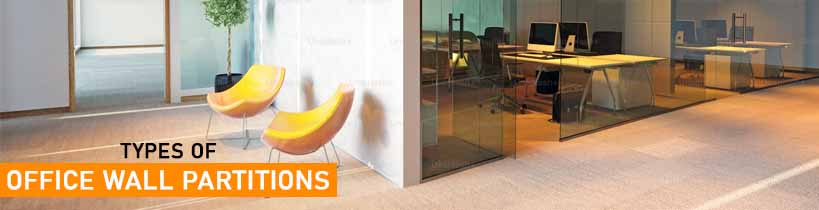
Glass partitions are widely used in corporate offices because they maintain openness while still creating separation. They allow natural light to pass through, making workspaces feel larger and more active. Full-height and half-height glass systems are both common in modern layouts.
When these glass panels are combined with branding or decorative visuals, advanced printing techniques become important. High-quality finishes such as Latex & Eco Solvent Printing Solutions for Durable Graphics help businesses apply long-lasting graphics on glass surfaces without losing clarity or color depth. This makes the workspace both functional and visually aligned with the brand.
Floor-to-Ceiling Partitions for Structured Layouts
Floor-to-ceiling partitions are designed for complete separation between departments. They help create defined zones for teams while maintaining a professional flow across the office. These partitions are often used in corporate environments where privacy and focus are important.
In many cases, businesses also integrate branding elements into these partitions to strengthen identity. Consistent visual communication plays a big role in workplace experience, and even external branding strategies like Vehicle Branding follow similar principles—clear messaging, strong visuals, and consistent design application across all surfaces.
Portable Partitions for Flexible Work Environments
Portable partitions are ideal for dynamic offices where space usage changes frequently. Since they are mounted on rollers, they can be moved quickly to create meeting zones, temporary cabins, or training areas.
In fast-moving business environments, communication materials also need to be flexible. Companies often use printed marketing tools such as Leveraging Flyer Printing to share updates, promotions, or internal announcements within such adaptable office setups.
Cubicles for Focused Work Areas
Cubicles are one of the most commonly used partition systems in offices. They provide semi-private workstations that reduce distractions while still allowing collaboration when needed. Their half-height design balances openness and personal space effectively.
Modern cubicle design is no longer just functional—it also reflects brand identity. Many organizations use professional printing and display solutions from providers like Printing Press to create internal signage, branded desk panels, and visual communication elements that improve the overall workspace experience.
Materials Used in Office Partitions
Office partitions can be built using wood, glass, metal, or composite materials. Each material has its own advantage depending on durability, aesthetics, and budget. Wooden partitions offer warmth, glass brings transparency, and metal adds strength and structure.
In many corporate interiors, printing also plays a role in material enhancement. High-quality production methods like Offset Printing are used for creating branded panels, internal communication boards, and visual identity elements that integrate seamlessly into partition systems.
Creating a Quiet and Productive Work Environment
One of the biggest advantages of office partitions is noise control. By separating departments and reducing sound transfer, they help employees concentrate better on their tasks. This leads to fewer distractions and improved work efficiency.
A well-structured environment also depends on clear visual communication. Strategic use of signage improves navigation and reduces confusion inside the office. That is why many businesses rely on Benefits of Signage Advertising for Business Visibility to guide visitors and employees effectively across different zones.
Enhancing Interior Aesthetics with Partitions
Modern office partitions are not only functional but also decorative. They contribute significantly to the overall interior design of a workspace. With the right colors, textures, and finishes, partitions can match brand identity or create a strong visual contrast.
Interior design often extends beyond walls and partitions. Companies apply branding consistency across multiple surfaces, including reception areas, meeting rooms, and even external communication assets like Easy Steps Vehicle Branding. This creates a unified brand presence both inside and outside the workplace.
Improving Visitor Navigation and Experience
Clear partition layouts help visitors easily identify departments and move through the office without confusion. This improves overall experience and creates a professional impression from the moment someone enters the workspace.
Directional clarity can be further improved with visual systems like signage and printed guides. Many businesses use structured communication tools based on Benefits of Signage to ensure smooth movement and better orientation inside large office spaces.
Printed materials also support visitor engagement. From welcome flyers to informational handouts, companies often rely on solutions like Leveraging Flyer Printing to communicate effectively with guests and clients.
Conclusion: Designing Smarter Workspaces with Partitions
Office partitions play a major role in shaping how modern workplaces function. They define structure, improve privacy, reduce noise, and enhance the overall design of the space. When combined with thoughtful branding, printing, and signage strategies, they turn a simple office into a well-organized and visually strong environment.
From material selection to visual integration, every detail contributes to better productivity and a more professional workspace experience.“`