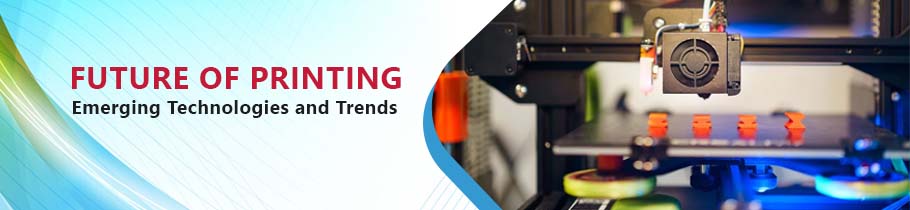
The printing industry is going through a quiet but powerful transformation. What used to depend heavily on manual setups and long production cycles is now shifting toward automation, digital workflows, and smarter material usage. Businesses are no longer looking at printing as just paper and ink. It has become part of branding, packaging, interior communication, and even customer experience design. From small startups to large enterprises, everyone is using print in a more targeted and data-driven way. This shift is also pushing printers to adopt faster technologies, reduce waste, and deliver more customized outputs at scale. Let’s break down where the industry is heading and what trends are shaping its future.
Digital-first printing and smarter marketing integration
One of the biggest changes is the move toward digital-first printing workflows. Instead of mass production, brands now prefer short runs, personalization, and on-demand printing. This makes campaigns more flexible and cost-efficient. Even basic promotional strategies are now tightly connected with print execution.
For example, modern marketers often combine online campaigns with printed material to improve reach and recall. A good starting point for understanding this shift is business promotion ideas, which shows how print fits into broader marketing strategies. The key trend here is integration—print is no longer standalone; it works alongside digital channels to create consistent branding across platforms.
Technologies like variable data printing and AI-based design tools are also making personalization easier. Businesses can now change text, images, or offers for each printed piece without slowing down production. That level of flexibility was not possible a decade ago.
Packaging innovation and customer experience
Packaging has moved far beyond protection. It is now a storytelling tool. Brands use packaging to create emotional connection, influence buying decisions, and build recognition on shelves. This is especially important in e-commerce, where the package is often the first physical touchpoint with a customer.
A deeper look at this evolution can be seen in packaging benefits guide. What stands out is how packaging now works as a silent salesperson. It carries brand identity, product information, and sometimes even interactive elements like QR codes.
Sustainable materials are also shaping this trend. Recyclable paper, biodegradable inks, and minimalist packaging designs are becoming standard. The future of printing in packaging is clearly moving toward eco-conscious production without compromising visual appeal.
LED signage and smart visual communication
Another strong trend is the rise of dynamic signage. Static boards are slowly being replaced by flexible digital displays that can change content in real time. This is especially useful for retail stores, events, and outdoor advertising where messages need frequent updates.
Modern businesses are investing in led sign boards because they offer better visibility, energy efficiency, and long-term cost savings. Unlike traditional print hoardings, LED displays allow instant updates without reprinting costs.
This shift is also changing how printers and signage companies operate. They are no longer just producing static visuals but also offering hybrid solutions that combine print design with digital display technology. This creates a new service category where creativity and electronics meet.
Architectural printing and modern workspace design
Printing is also entering physical spaces in a more structured way. Offices, retail stores, and commercial spaces now use printed materials as part of interior design. This includes wall graphics, frosted films, and partition branding that defines space without heavy construction.
A strong example of this trend can be seen in glass partition walls. These solutions combine functionality with aesthetics, allowing natural light flow while still maintaining privacy and branding opportunities.
The printing part comes in through customized films, logos, and decorative patterns applied on glass surfaces. This turns a simple workspace into a branded environment. As companies focus more on employee experience and client impressions, architectural printing is becoming a key growth area.
Print advertising in a digital-heavy world
Even with digital marketing dominating attention, print advertising still holds strong value. In fact, it often performs better in terms of recall and trust. People tend to engage more deeply with physical media compared to quick digital scrolls.
This is why print advertising benefits are still widely discussed in modern marketing strategies. Flyers, brochures, catalogs, and direct mail continue to support brand visibility, especially in local markets.
The future here is not replacement but balance. Print and digital are working together. A customer might see an online ad first, then receive a printed brochure, and finally visit a store. This layered approach improves conversion rates and builds stronger brand memory.
Advanced printing services and global standards
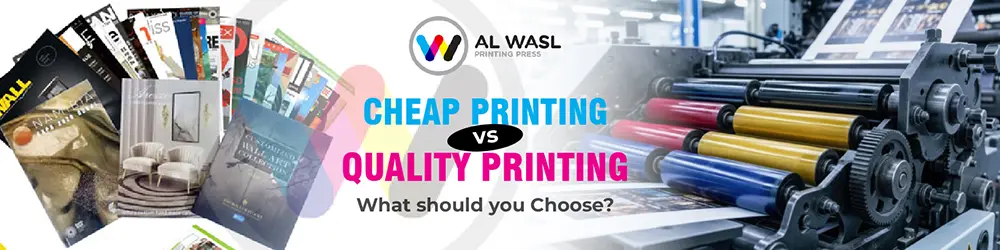
As demand increases, printing companies are upgrading their infrastructure to meet global quality standards. High-resolution output, faster turnaround times, and automated workflows are now expected as basic service requirements.
Companies like best printing press are setting benchmarks in this space by combining traditional expertise with modern technology. The focus is on delivering consistent quality across different formats, whether it is packaging, signage, or promotional materials.
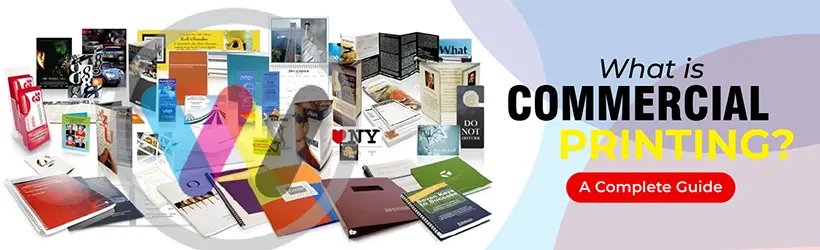
At the same time, commercial printing is expanding into niche areas like customized merchandise, event branding, and large-format displays. This diversification is helping businesses serve more industries with a single production setup.
Offset printing and precision production
Even with the rise of digital printing, offset printing remains essential for large-scale production. It offers unmatched consistency, color accuracy, and cost efficiency for bulk orders. This is why many industries still rely on it for magazines, catalogs, and packaging.
Modern offset printing press systems are now faster and more automated than ever before. They combine traditional plate-based printing with digital control systems that reduce errors and improve output quality.
The future of offset printing lies in hybrid models where it works alongside digital printing. Jobs can be split based on quantity, complexity, and turnaround time, ensuring maximum efficiency without compromising quality.
Overall, the printing industry is not shrinking—it is evolving. The companies that adapt to new materials, smarter workflows, and integrated technologies will define the next decade of print innovation.