The decision to select an appropriate book format is one of the most significant ones in book publishing. Paperback or hardcover book printing, choosing one can be a bit confusing for a first-time author, a business creating branded books, or a publishing company.
Each format has its strengths, applications, and popularity. But first consider the bigger picture – your objective, audience, and budget. Let’s break it down in a simple manner.
Introduction to Paperback and Hardcover Formats
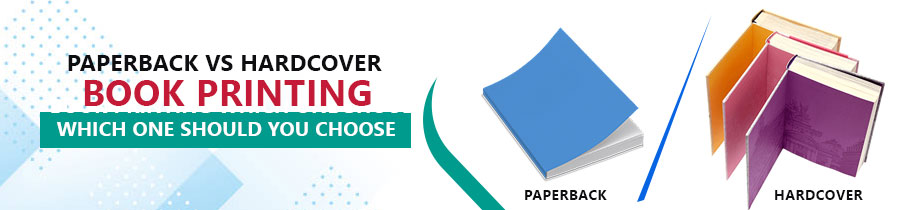
Paperback books are also known as softcover books. These are flexible covers made of thick paper or cardstock. They are lightweight, easy to carry, and often applied to novels, textbooks, and even self-published books.
However, hardcover books come with a strong cardboard cover wrapped with either printed paper, cloth, or even leather elements.
Therefore:
- Paperback is more flexible and casual.
- Hardcover is sturdy and premium.
1. Binding and Material Differences
Paperback and hardcover are made in different ways using different materials.
Binding and materials for Paperback
- Flexible cardstock cover
- Either proper binding or saddle stitching
- Lighter paper options
- Printed spine (mostly for thicker books)
Binding and materials for Hardcover
- Rigid board cover
- Case binding (pages are either sewn or glued)
- Optional dust jacket
- Thicker and good-quality paper choices
Hardcovers also include several steps, which contribute to their solid form and elegant appearance.
2. Durability and Handling
This section is significant in case of durability concerns.
- Paperback booksare most appropriate for short-term or casual reading purposes. They can bend or even crease easily and the pages may become loose with frequent use.
- Hardcover books are built for prolonged use and are resistant to wear and tear. They are perfect for libraries, collections, and gifting. Hardcovers withstand their shapeover time and can be used more frequently.
3. Printing and Production Process
The modern printing techniques are applied in both formats. But the production process varies.
Paperback printing:
- Have rapid production schedules
- Simpler finishing process
- Great for print-on-demand
- Less expensive to reprint in small batches
Hardcover printing:
- Involves more production steps
- Requires casing-in and cover wrapping
- Longer turnaround time
- Suitable for planned bulk printing
NOTE: Paperback printing is typically faster when time is a major factor.
4. Cost Considerations
Cost is one of the most important factors in choosing a book format.
Factors that affect paperback pricing
- Fewer materials
- Simpler binding
- Lower shipping weight
- Cost effective in bulk
Factors that affect hardcover pricing
- Hardboards and high-quality materials
- Complex binding process
- Extra finishing options
- Higher shipping costs
NOTE: Hardcovers are expensive to produce, but can be sold at a higher price.
5. Reader Experience and Practical Use
The comfort of the reader and usage are more important than you think.
Paperback books are great for:
- Travel reading
- Daily commuting
- Long reading sessions
- Students and casual readers
Hardcover books are great for:
- Coffee table displays
- Professional or academic use
- Gifts and special editions
- Home libraries
NOTE: Paperbacks are lighter to carry, whereas hardcovers are more solid and premium.
6. Design and Customization Options
Both paperback and hardcover offer plenty of creative freedom.
Paperback design options:
- Matte or glossy covers
- Full-wrap printed covers
- Flexible layout styles
- Minimal or bold designs
Hardcover design options:
- Dust jackets
- Foil stamping
- Embossing or debossing
- Cloth or textured covers
NOTE: Hardcover printing is a better option asit creates a positive visual impact and feelsluxurious.
Choosing the Right Format According to Your Needs
Still not sure which one to pick? These questions might get the job done.
- Who is my target audience?
- Is this book meant for everyday reading or long-term keeping?
- What is my budget and print quantity?
- Will it be sold online, offline, or used for gifting?
Why choose paperback:
- Affordable
- Faster printing
- Portable
- Market testing
Why choose hardcover:
- Looks premium
- Durable
- Offers long-term value
- Collectibles or gifts
Final Words
Be it paperback or hardcover, each format speaks to a different kind of reader. But the best choice really comes down to your content, your audience, and the publishing goals you have in mind. Above all, what’s more important is good-quality printing and a thoughtful design. For that, you can contact Al Wasl Printing. Because all these small factors will make your book stand out.