Offset printing continues to be one of the most trusted and widely used printing methods in the commercial industry. Even with modern digital options, businesses still rely on it for large-scale production because it delivers consistency, accuracy, and cost control. If you want to understand the foundation of this method in detail, this Offset Printing Overview explains how it works and why it remains relevant across industries.
The printing industry today is highly competitive, with businesses offering multiple technologies and pricing models. In such a saturated market, choosing the right method is not always simple. That’s where understanding the strengths of each printing type becomes important before making a decision.
Offset printing is especially preferred for bulk orders because it maintains stable quality from the first print to the last. It is widely used in packaging, publishing, branding materials, and corporate identity work where consistency is non-negotiable.
Cost-effective solutions for bulk printing
One of the biggest advantages of offset printing is cost efficiency at scale. As the volume increases, the per-unit cost drops significantly. This makes it a practical choice for businesses that require thousands of copies of brochures, catalogs, or packaging materials.
However, choosing the right method also depends on your project size and flexibility needs. If you want to compare modern alternatives, this Digital Printing Guide helps you understand when digital printing becomes more efficient, especially for short runs or customized work.
Large-scale production setups such as an Offset Printing Press are designed to handle heavy workloads efficiently. These systems ensure consistent ink distribution, sharp detailing, and faster turnaround for bulk commercial orders.
For businesses handling recurring print requirements, offset printing reduces long-term production costs while maintaining high output quality. This is why industries like retail, publishing, and packaging still depend heavily on it.
High-quality printing output
Offset printing is known for its superior print clarity. It uses ink and metal plates rather than toner, which allows finer control over color balance and image sharpness. The result is smooth gradients, clean edges, and highly accurate reproduction of designs.
When comparing technologies, it’s important to understand how each method performs in real production environments. This Printing Comparison breaks down the differences between digital and offset printing in practical terms.
While offset is ideal for large-scale consistency, digital printing offers flexibility for smaller batches and fast turnaround. Many companies today use both methods depending on project requirements.
For example, brands often combine offset for bulk packaging and use Digital Printing Services for personalized marketing materials or urgent print jobs.
Creative finishing and customization
Offset printing also stands out for its advanced finishing options. Businesses can enhance printed materials using metallic inks, spot UV coatings, embossing, and special textures. These finishing techniques help create a premium brand experience.
In industries like packaging and retail branding, presentation plays a major role in customer perception. High-quality finishing can significantly improve product appeal and brand value.
To better understand how printing connects with packaging quality and production design, this Printing Packaging provides deeper insights into material selection, print compatibility, and finishing techniques.
When businesses want consistent professional results, they often rely on experienced providers like Printing Press. Such companies combine technical expertise with industrial-grade equipment to deliver high-quality output at scale.
Works across multiple applications
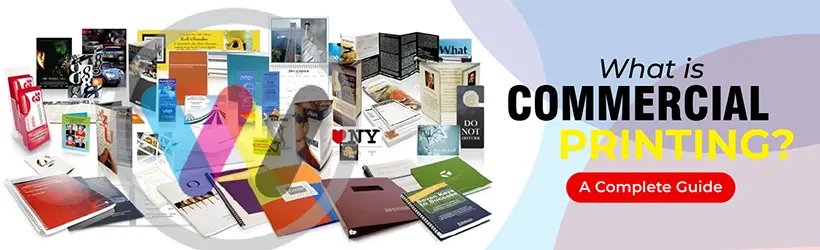
Offset printing is not limited to one type of product. It is used across brochures, flyers, business cards, catalogs, packaging boxes, magazines, and corporate stationery. Its flexibility with different paper types and coatings makes it suitable for almost any commercial requirement.
From lightweight marketing materials to heavy-duty packaging, offset printing adapts well to different production needs without compromising consistency.
Because of this versatility, businesses often rely on it as their primary printing method when long-term quality and brand consistency matter.
Final industry perspective
Choosing the right printing method depends on budget, volume, and purpose. Offset printing remains the go-to option for bulk, high-quality output, while digital printing complements it for short runs and fast delivery needs.
Understanding both methods helps businesses make smarter production decisions, reduce waste, and maintain better control over branding quality across all printed materials.