The Journey from Manuscript to Printed Book
Writing a book is a monumental achievement. Whether you have poured years into a sweeping fiction novel, compiled a deeply personal memoir, or structured an authoritative guide to help scale your business, completing your manuscript is a major milestone. However, transforming that digital text document into a beautiful, physical object that sits proudly on a bookshelf is a completely separate creative and technical process. The transition from writer to publisher requires a shift in mindset toward manufacturing, design, and physical materials.
Stepping into the world of book manufacturing for the first time can feel incredibly overwhelming. There are dozens of technical specifications, file formats, and printing methods to navigate, and making a wrong choice early on can lead to expensive errors or an end product that feels cheap. For any independent creator, corporate marketer, or business owner looking to publish their work, understanding the fundamental rules of production is essential. Below is a comprehensive guide to everything you must know before printing your first book to guarantee a flawless, professional result.
1. Choosing the Right Binding Type for Your Target Market
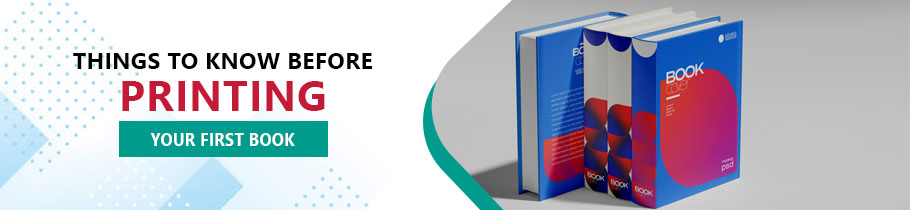
The binding method you choose completely defines the structural identity, longevity, and price point of your book. The three most common formats in commercial publishing are softcover (perfect binding), hardcover (case binding), and spiral/wire-o binding, each serving an entirely different reading experience.
Softcover or perfect binding is the standard for most fiction novels, poetry books, and corporate handouts; it utilizes a strong thermal adhesive to bind the pages to a thick paper cover, offering a lightweight and highly cost-effective solution. Hardcover binding wraps the pages in rigid cardboard covered in cloth, leather, or heavy paper, creating a luxurious, premium feel ideal for memoirs, coffee table books, and high-end gifts. Spiral binding allows a book to lay completely flat on a table, making it the perfect structural layout for cookbooks, training manuals, and workbooks.
2. Understanding Book Sizes, Trim Dimensions, and Page Counts
In the printing industry, the physical size of your book is known as its trim size. Unlike digital reading formats that adjust effortlessly to any screen size, physical books must adhere to strict, standardized industrial dimensions. Choosing a non-standard trim size can dramatically increase your production costs because it leads to excessive paper waste during the manufacturing process.
Standard industry sizes include small mass-market formats (4.25″ x 7″), classic fiction trade paperbacks (5.5″ x 8.5″ or 6″ x 9″), and large-format manuals or textbooks (7″ x 10″ or 8.5″ x 11″). Additionally, your final page count must be calculated precisely based on your layout font and spacing. Book pages are printed on large master sheets that are folded down into sections called signatures, which usually contain 8, 16, or 32 pages, meaning your total page count should ideally be a multiple of these numbers.
3. Selecting Paper Weight, Stock Types, and Textures
The feeling of turning a physical page creates a deep, sensory connection between your reader and your words. The specific paper stock you select impacts how heavy your book feels, how opaque the pages are, and how crisply any images or text render. Paper is generally classified by its weight and its finish.
For text-heavy books like novels or business guides, thick, uncoated cream or off-white paper is the preferred choice; it minimizes light glare, making it comfortable to read for hours. If your book features colorful illustrations, high-resolution photographs, or complex design charts, opting for a smooth, coated matte or glossy paper is required. Coated papers prevent the liquid ink from bleeding deep into the paper fibers, keeping colors incredibly vibrant and lines razor-sharp.
4. Preparing Digital Layouts for CMYK Color and Bleed Margins
One of the most frequent errors first-time authors make is submitting digital files configured for digital screens rather than a physical production line. Computer monitors display visuals using light through an RGB color profile, whereas commercial printing equipment applies ink using a CMYK four-color model. Converting your files to CMYK before submission prevents unexpected, muddy color shifting.
Furthermore, any background designs or images that are meant to extend all the way to the absolute edge of the physical page must include a safety margin known as a bleed. This requires extending your artwork slightly past the final trim line—typically by an eighth of an inch. Including a proper bleed margin ensures that when the massive sheets of paper are sliced down by automated industrial blades, your book will not feature ugly, accidental white slivers along its borders.
5. Selecting the Gold Standard for Volume Production
When you are ready to move your approved files from the layout computer into physical production, selecting the appropriate manufacturing method is critical to balancing your budget with your quality standards. The ideal manufacturing method hinges entirely on your total volume requirements.
For large-scale book launches, commercial distribution, or premium corporate editions where you require hundreds or thousands of flawless copies, traditional Offset Printing is the definitive industry benchmark. This process utilizes custom metal plates to transfer crisp ink to paper, delivering immaculate color accuracy, rich blacks, and a lower per-unit cost as your order size increases, ensuring your book looks identical to titles produced by the world’s largest publishing houses.
6. Partnering with an Elite, Experienced Press
Even the most brilliant writing and beautiful graphic designs can be compromised if the physical execution is poor. Book manufacturing requires specialized equipment, absolute alignment precision, and a keen eye for industrial craftsmanship, which is why choosing a random online vendor can be risky.
To ensure your hard cover edges are crisp, your bindings are unbreakable, and your jackets look beautifully premium under retail lighting, partnering with a trusted, premier Printing Press is an invaluable investment. Working with a dedicated master team gives you access to physical material proofs, custom specialty finishes, and professional guidance that guides your project smoothly from digital file to physical masterpiece.
Using Strategic Physical Media to Support Your Launch
Printing your book is a massive victory, but your ultimate goal is getting that book into the hands of your readers. Successful independent authors and corporate marketing managers treat a book launch like a major product rollout, deploying a diverse mix of physical marketing assets to build buzz and drive initial momentum.
For high-profile book signings, industry media kits, or local promotional tours, multi-page pamphlets are incredibly helpful. Reviewing the Top 7 Benefits of brochures shows how folded layouts give you the ideal space to display your author bio, share positive press reviews, or print an excerpt chapter that hooks potential readers. For community pop-up events, book fairs, or fan clubs, distributing custom promotional apparel through high-quality t-shirt printing creates a highly visible, walking community that spreads your book’s title and branding all across the city.
To establish an ongoing line of direct communication with book store managers, literary agents, and media reviewers, having an immediate personal networking asset is critical. Handing over a thick, premium-weight Business Card with your contact info and a link to your digital press kit ensures you leave a sharp, professional impression during face-to-face meetings.
Optimizing Environments and Keeping an Eye on Industry Trends
The space where you brainstorm your marketing, package your orders, and manage your publishing workflow plays a vital role in your ongoing success. Just as a book requires a clean, structured layout to be readable, your physical office requires an optimized design to maximize productivity. Studying the functional variations of different types of office wall partitions allows authors and publishing teams to build a modern workspace that perfectly balances open administrative zones with quiet, private rooms for deep writing and editing sessions.
When your publishing journey scales to major retail conventions, national book fairs, or literary trade shows, your visual presence must step up. Mastering the architecture of a large-format public exhibition ensures your banner displays and display tables command maximum attention on a crowded convention floor. To ensure your author branding stays fixed on your high-value corporate partners’ desks all year long, gifting useful physical assets like custom desk calendars provides a subtle loop of ongoing, daily brand exposure.
Finally, maintaining an aggressive competitive edge as a modern publisher means tracking major industrial shifts. Staying informed about the technical milestones and the Future of Printing guarantees you are always ready to implement cutting-edge sustainable papers, interactive QR links, and premium texturing trends that keep your books steps ahead of your competition.
Conclusion: The Lasting Legacy of the Written Word
Holding the first physical copy of your printed book in your hands is an unforgettable experience that marks your transition from a writer to a published author. By paying close attention to binding styles, trim sizes, file profiles, and high-quality paper options, you ensure your physical work commands immediate respect on any bookshelf. When your creative vision is backed by flawless execution from a premium printing partner, your book transforms into a beautiful, permanent legacy capable of inspiring, educating, and influencing readers for generations to come.